"AI automation engineer" is one of the newer job titles in tech, and it means different things to different companies. At its core, the role is about turning repetitive business work into reliable systems — increasingly with AI models doing part of the thinking.
The short definition
An AI automation engineer connects business tools, APIs and AI models into workflows that run on their own. They sit somewhere between a no-code builder and a software engineer: comfortable in tools like n8n, Make or Zapier, but able to write code, call APIs directly, and make AI output reliable enough to trust.
What the work looks like day to day
- Mapping a process. Sitting with a team to understand how work really flows — the exceptions, the copy-pasting, the spreadsheets nobody admits to.
- Building workflows. Connecting the CRM, inbox, forms, databases and internal tools.
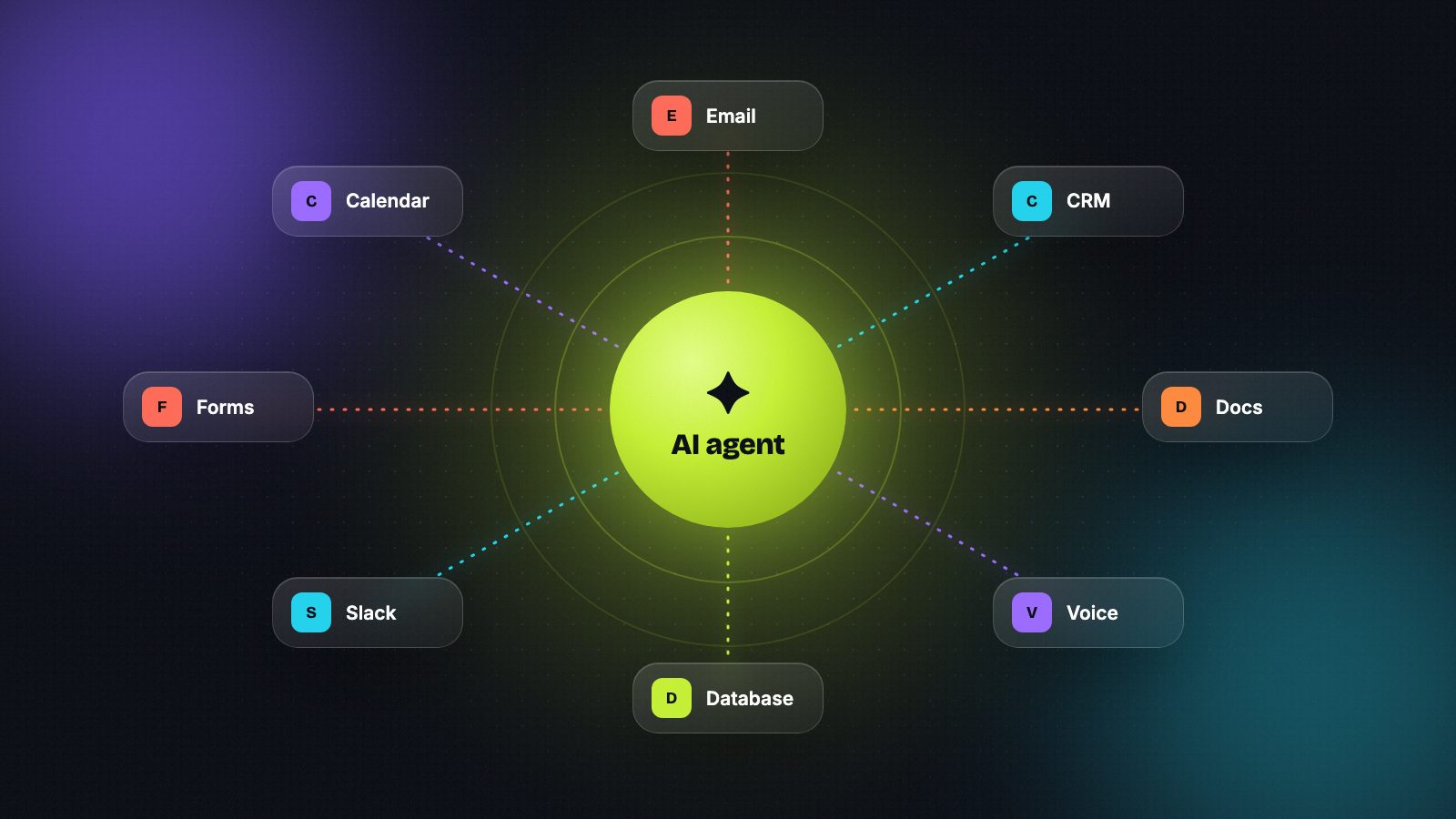
- Adding AI where it helps. Classifying incoming requests, extracting data from documents, drafting replies, qualifying leads, or running an agent that can take actions.
- Making it reliable. Error handling, retries, logging, human review for risky steps, and monitoring.
- Handing it over. Documentation and training so the team can live with what was built.
Skills that matter
Integration fundamentals. APIs, webhooks, authentication, JSON. Most automation problems are integration problems.
One automation platform in depth. n8n, Make or Zapier — depth beats a long list.
Working with LLMs. Prompting for structured output, function calling, choosing when not to use AI, and keeping costs predictable. Tools like OpenAI and Claude are the usual starting points.
Some code. Python or JavaScript for the steps visual tools can't handle.
Product sense. Knowing which 20% of a process is worth automating first.
AI automation engineer vs related roles
- No-code builder: strong in visual tools, less likely to write code or build agents.
- AI agent developer: focused on agents that reason and use tools — often with LangChain or similar frameworks.
- Software engineer: builds products; may not know the automation tools or business processes.
- Automation consultant: finds what to automate and leads rollout; may hand the build to others.
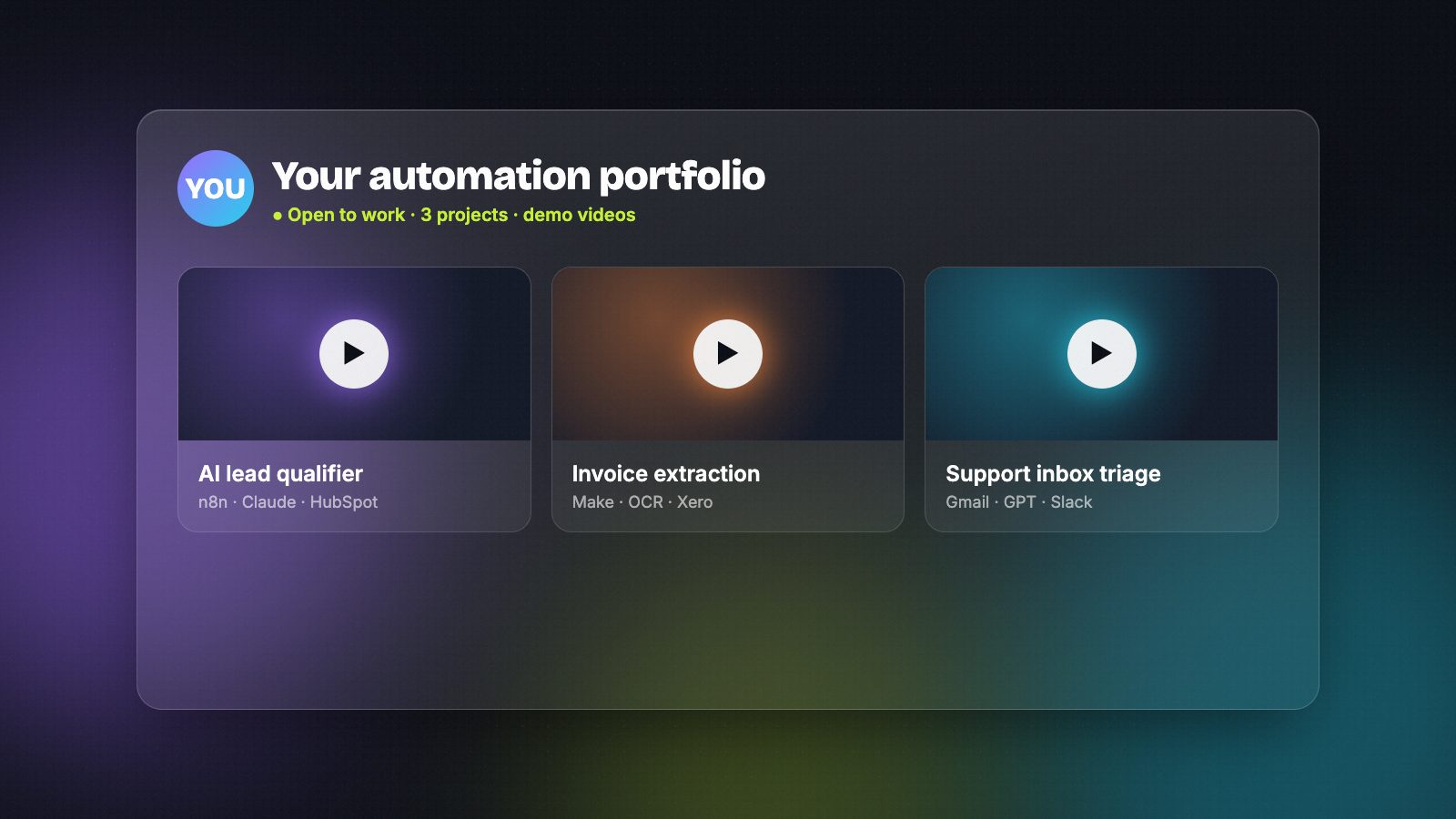
Many people do more than one of these. Look at their work samples to see where they're strongest — on our platform, builders choose a main role and list the tools and skills they use. Browse by role.
When should you hire one?
You probably need one if:
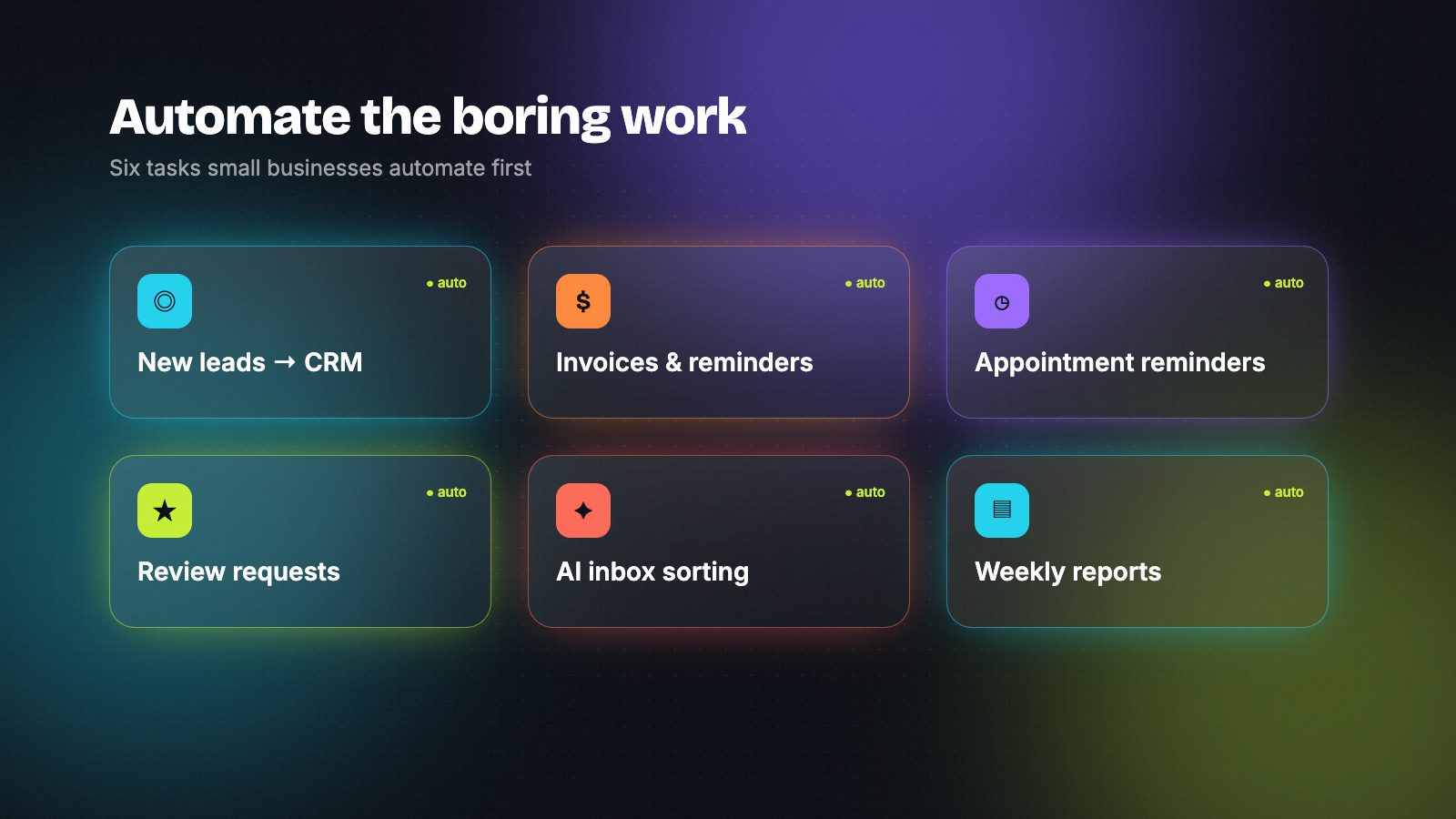
- Your team spends hours a week moving data between tools by hand.
- You've tried AI tools but can't get them to fit into how work actually happens.
- You have automations already, but they break and nobody knows how they work.
- You want an AI assistant that can take actions in your systems, not just chat.
Freelance or full-time?
Start freelance or contract for a defined project — it's the fastest way to see results and learn what you need. If automation becomes core to how your company operates, a full-time hire who owns it is worth considering.
Frequently asked questions
Is an AI automation engineer the same as a machine learning engineer?
No. Machine learning engineers train and tune models. AI automation engineers use existing models — such as OpenAI's or Anthropic's Claude — and connect them to your tools and processes so real work gets done automatically.
What tools do AI automation engineers use?
Typically automation platforms like n8n, Make or Zapier; LLM APIs such as OpenAI and Claude; frameworks like LangChain; vector databases for search over documents; MCP for connecting AI assistants to tools; and Python or JavaScript for the parts no-code can't handle.
Do I need one if my team already uses ChatGPT?
ChatGPT helps individuals one prompt at a time. An AI automation engineer builds systems that run without someone copying and pasting — connected to your data, triggered by real events, and with error handling when something goes wrong.
How do I know if the automation is working?
Agree on one or two measures before the build starts — hours saved per week, response time, or how often a person has to step in — and review them a few weeks after launch. If you can't measure it, it's hard to know what to improve.
Hire AI automation builders who actually reply.
Verified builders with real workflows on every profile — free during launch.